

“Consider your ways.” That simple command still searches the heart.
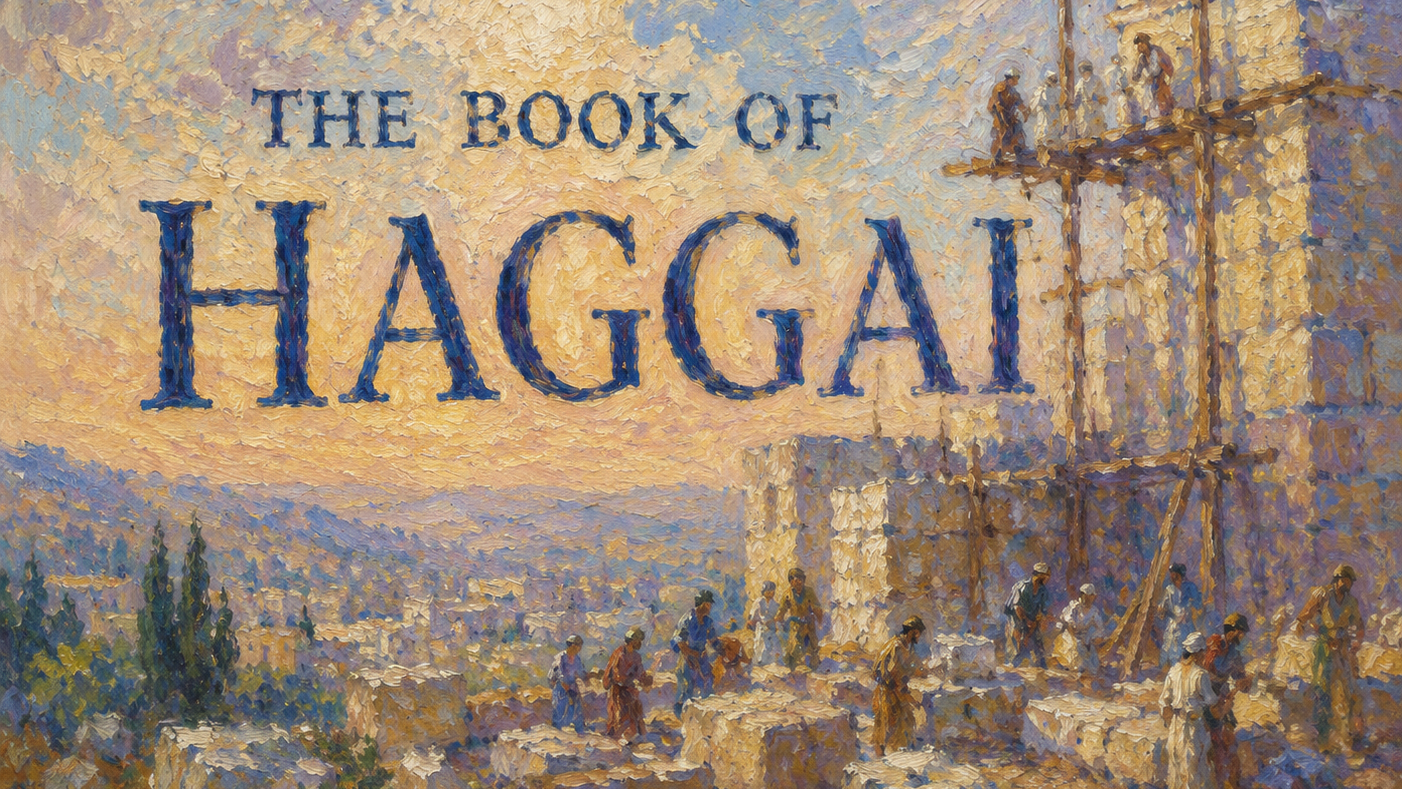
Haggai spoke to returned exiles who were rebuilding their lives in Jerusalem. Their homes were finished. Their routines restored. Everything looked respectable. But one thing lay in ruins: the temple.
God’s rebuke was sharp: “Is it a time for you yourselves to dwell in your panelled houses, while this house lies in ruins?” (Hag 1:4). There was no open idolatry or dramatic rebellion. Their sin was subtler — preoccupation with their own lives. Reasonable excuses had hardened into settled neglect.
Their dissatisfaction was not random. They sowed much and harvested little. Their wages disappeared “into a bag with holes.” The LORD Himself had frustrated their efforts. Why? Because His house lay neglected while they busied themselves with their own.
This was not cruelty but mercy. God was drawing them back. The temple symbolised His presence, His glory, and their covenant identity. To neglect it was to marginalise Him.
When they heard Haggai’s words as the voice of God, they obeyed. And immediately the LORD declared, “I am with you.” He stirred their spirits and empowered the work. Obedience restored fellowship.
The temple ultimately pointed forward to Christ. Jesus declared Himself the true temple (John 2:19–22). United to Him, the church becomes God’s dwelling place by the Spirit (Eph 2:21–22). Today, temple building means strengthening Christ’s body for His glory.
Paul explains it in Ephesians 4: leaders equip the saints to build up the body “until we all attain… to the measure of the stature of the fullness of Christ.” When each part works properly, the body grows in love.
Temple building is about people, not bricks.
It looks like worship centred on God’s glory. It looks like eager, joyful prayer. It looks like sacrificial service. It looks like patient discipleship, mature believers investing in younger ones. And it is for our good — we flourish when the body is strong.
So we must ask:
What lies in ruins while I panel my own house?
What consumes my best strength?
Right priorities begin with the loving fear of God — recognising that He alone holds the keys to our joy.
When we return to God-empowered temple building, we rediscover Christ’s presence among us and glimpse our future: the new Jerusalem, where “its temple is the Lord God the Almighty and the Lamb” (Rev 21:22).
Haggai’s call still stands: Consider your ways.