

We can be comfortable with Jesus when He remains one voice among many. A tension emerges when He speaks with final authority into the whole of life. That is exactly what happens in Matthew 21:23–46, where Jesus is confronted in the temple and asked a question that is less about information and more about control: “By what authority are you doing these things?”
In Matthew 21:23–46, Jesus is confronted by the chief priests and elders in the temple. Their question is direct: “By what authority are you doing these things?” It is not a request for information, but a challenge to His right to speak and act. They see themselves as the guardians of Israel’s religious life, yet Jesus has been disrupting their world: entering Jerusalem as King, cleansing the temple, healing the sick, and receiving the praise of the crowds.
Jesus responds by exposing their refusal to recognise God’s authority already at work in John the Baptist’s ministry. John called for repentance and pointed to the Lamb of God, yet the religious leaders rejected him. Jesus then tells two parables that reveal the condition of their hearts.
The first is the parable of the two sons. One son refuses his father but later obeys, while the other promises obedience but does nothing. Jesus shows that true obedience is not found in words but in repentance that leads to action. Tax collectors and sinners, who responded to John’s message, enter the kingdom ahead of the religious elite who refused to believe.
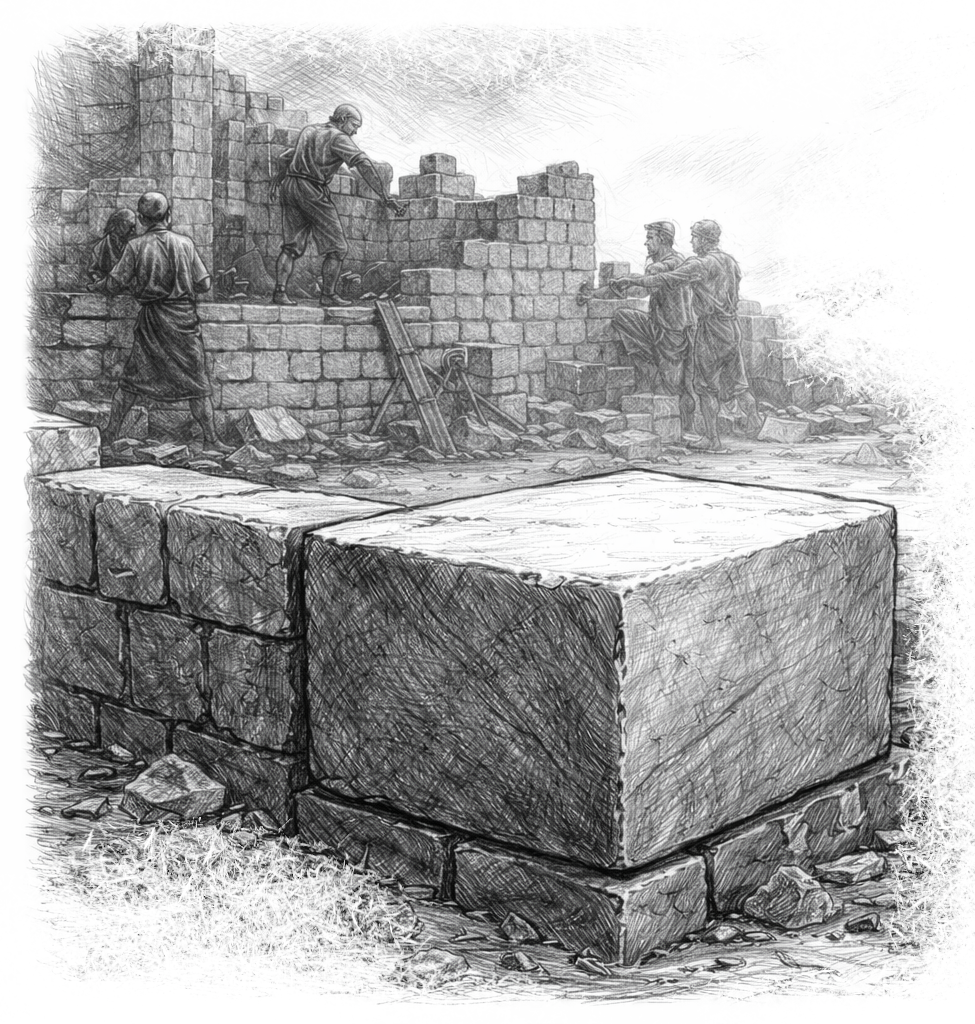
The second is the parable of the wicked tenants. A vineyard is planted and entrusted to tenants who repeatedly reject the owner’s servants and eventually kill his son. The meaning is unmistakable: Israel’s leaders have rejected God’s prophets and are now rejecting His Son. Jesus identifies Himself as the Son who will be killed, but also as the cornerstone, the rejected stone who becomes the foundation of God’s new work.
Jesus Christ is God’s final word. He is not merely another prophet or teacher, but the Son through whom God speaks definitively. To reject Him is to reject God Himself. Yet even in judgement there is mercy, a final warning and an open invitation before the cross.
This passage confronts every one of us with the question of authority. It is easy to treat Jesus as someone we admire or even respect, while quietly reserving the right to direct our own lives. Yet the issue raised in the temple is not simply what we believe about Jesus, but whether we will submit to His authority in everything we do.
The danger exposed in the parables is that outward religion can coexist with inward rebellion. Like the second son, it is possible to speak the language of obedience while never actually doing the will of the Father. God is not satisfied with appearances or religious words, but with repentance that leads to real change.
At the same time, the warning is sobering. Christ is not only the foundation of salvation but also the standard by which every life is measured. To stumble over Him is to face judgement, for there is no neutral response to the cornerstone.
Yet this authority of Christ is not limited to conversion alone. It reaches into every corner of life. If He is Lord, then He must shape how we parent, how we make decisions, what we pursue, and what we refuse. The question the passage leaves hanging is deeply personal: By what authority do you say and do all you do?