

Isaiah 40 opens with one of the most striking turns in all of Scripture. After chapters filled with warning and judgement, the tone chnages to surprising tenderness, “Comfort, comfort my people, says your God.” This phrase follows a troubled history. Israel’s rebellion had led to devastation, exile, and the loss of everything familiar. Into that darkness, God speaks not with further rebuke, but with consolation.
The passage calls us to stop and consider what the Jewish exiles had gone through. Their identity had been stripped, their city destroyed, their future uncertain. And yet, the Lord speaks to them not as a distant deity, but as “your God.” The relationship remains. His covenant faithfulness has not failed, even when they have.
The comfort God offers is built on concrete promises, not vague reassurance. Their warfare will end. Their iniquity will be pardoned. Their suffering has a limit set by God himself. This is not wishful thinking, but a divine decree. His word is reliable, unlike the unreliable words of men. The prophet writes, “the word of our God will stand forever.” Where human strength fades like grass, God’s promises remain unshaken.
Isaiah then calls the reader to look further still. The picture of a new exodus develops, a highway in the wilderness, a path cleared for God himself to come and rescue his people. Valleys will be raised, mountains lowered, and obstacles removed. This is more than a return from Babylon, it’s a picture of a greater salvation to come, a day when the glory of the Lord will be revealed to all flesh.
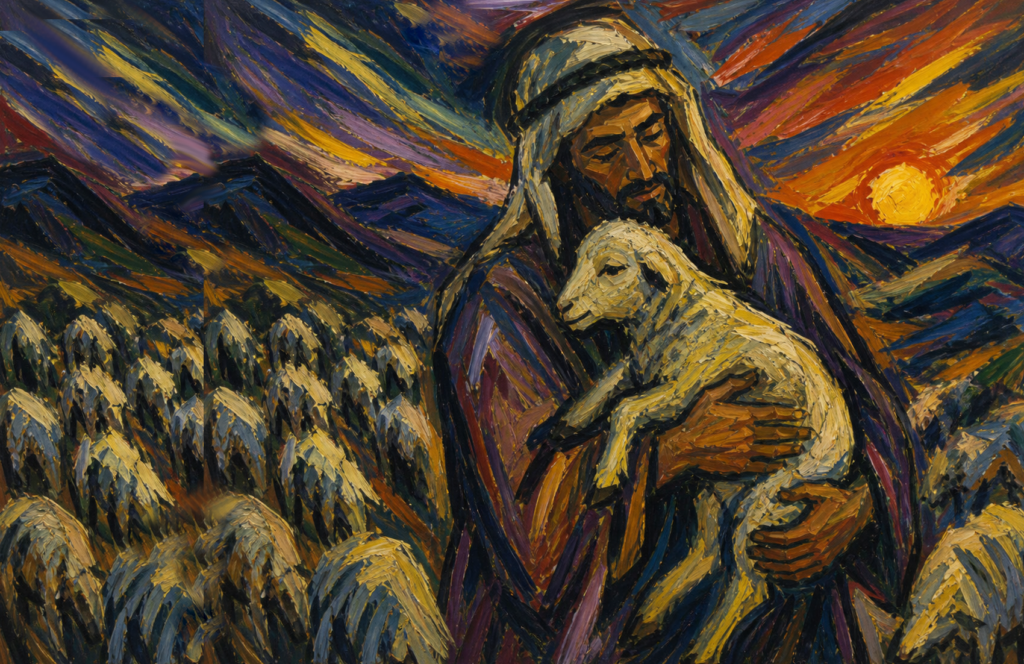
There is a surprising contrast in this vision. The Lord comes in might, ruling with power, and yet he tends his flock like a shepherd. He gathers the lambs in his arms and carries them close. Strength and tenderness come together perfectly in him. He is both the conquering king and the gentle shepherd.
This hope is not only for Israel. The comfort comes to us too, fulfilled in Jesus Christ. The Gospels reveal that he is the one who was to come. He accomplished the greater exodus through his death and resurrection, dealing decisively with sin and opening the way to true and lasting peace. In him, the promise of pardon has become a reality. He cried out on the cross, “It is finished!”
Yet we live in the tension of what has been accomplished and what is still to come. Sin has been defeated, but its effects remain visible. The final restoration is certain, though we do not yet see its fulfilment. It is certain because it is rooted in the unchanging word of God, secured by Christ.
This comfort is not meant to remain with us. As those who have received it, Christ calls us to proclaim it. Like Zion, we are to lift up our voices and say, “Behold your God.” In a world marked by uncertainty and suffering, this remains the greatest hope: that God forgives, restores, and will one day make all things new.
Listen to the full sermon HERE.